
Your cart is empty.
Wildlife·5 min read
Into the Mangrove Maze: Cruising the Sundarbans in Search of the Royal Bengal Tiger
Deep canopies, silent rivers, and untamed wildlife. Discover how to plan the ultimate wilderness cruise through the world's largest mangrove forest.
5 June 2026
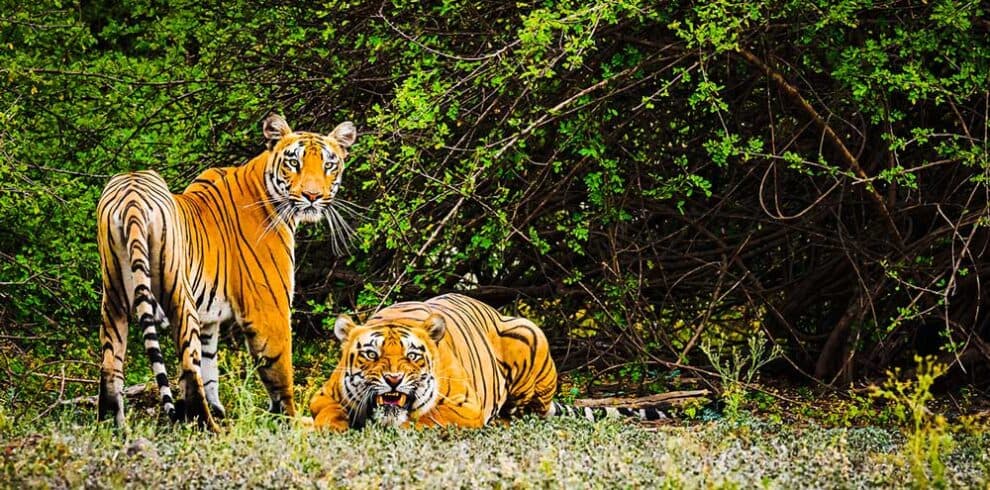
There is a distinct moment on a Sundarbans cruise when the engine cuts out, and the silence settles in. All you hear is the gentle lap of tidal water against the wooden hull, the distant call of a spotted deer, and the rustle of breathing roots (pneumatophores) breaking through the mud.
Spanning over 10,000 square kilometers across Bangladesh and India, the Sundarbans is a UNESCO World Heritage site and a wilderness unlike any other on Earth. It is a place where the forest meets the sea, and where one of the world's most elusive predators reigns supreme.
If you are ready to trade the chaos of the city for the deep, mysterious green of the mangroves, here is what awaits you on an Ar-Rihla adventure to the Sundarbans.
The Journey: Life on a Wooden Cruiser
The best way—and truly, the only way—to experience the depths of the Sundarbans is by booking a multi-day boat cruise, typically departing from Khulna or Mongla.
For three to four days, a wooden motor vessel becomes your floating home. You’ll navigate the wide arms of the Pasur River before diving deep into narrower channels where the canopy closes overhead. You will wake up to the sound of tropical birds, eat fresh catch prepared right on the boat, and watch spectacular sunsets over the water from the open deck.
Unmissable Sundarbans Experiences
1. Silent Wooden Boat Rowing
While the main cruiser carries you between major zones, the real magic happens when you board a small, non-motorized wooden boat at dawn. Rowed silently by a local guide down narrow creeks (khal), this is your best chance to spot wildlife coming to the water's edge to drink—including wild boars, rhesus macaques, and brilliant kingfishers.
2. Walking the Trails of Kotka and Kochikhali
Stepping off the boat onto dry land is an adrenaline rush. Guided walks through the forest trails at Kotka or Kochikhali bring you face-to-face with herds of beautiful Spotted Deer (Chital). The trails often lead out to pristine, deserted beaches facing the Bay of Bengal, where wild animal tracks pattern the sand.
3. Tracking the Shadow of the Tiger
Let’s be honest: seeing a Royal Bengal Tiger in the wild requires immense luck. They are masters of camouflage and notoriously shy. However, even if you don't spot the apex predator itself, you will feel its presence. Seeing fresh, deep pugmarks left in the soft clay at low tide just a few feet from your walking path is a thrill that will make your spine tingle.
Smart Tips for the Mangrove Explorer
Best Time to Visit: The cooler, dry months between November and February offer the most comfortable weather and the best wildlife viewing opportunities.
Pack Earthy Tones: Bright reds, yellows, and whites blend poorly in the jungle and can startle wildlife. Pack greens, browns, and beige clothing.
Bring Good Binoculars: The canopy is dense, and birds or animals often watch you from afar. A solid pair of binoculars or a telephoto camera lens is indispensable.
Strictly Leave No Trace: The Sundarbans is a fragile ecosystem. Always carry your trash back to the ship, and respect the absolute silence of the forest.
The Ar-Rihla Takeaway
The Sundarbans isn't a zoo; it doesn't guarantee sights on a schedule. It demands patience, quiet observation, and a deep respect for nature. But when the morning mist clears and the forest reveals its secrets, you realize it is one of the most rewarding journeys Bangladesh has to offer.